It’s All in Your Head
• Happiness doesn’t come from actions, it comes from attitudes.
The secrets to happiness are all in your head.
• We confuse pleasure with happiness. The former is sensual and
temporary, the latter is spiritual and permanent.
• You have the tools to be happy today. All it takes is changing
your attitudes toward yourself and your place in the world.
• The secrets are also already in your head, since they’re eternal
truths we’ve learned and either ignored or forgotten.
• Instead of thinking ourselves to unhappiness by living out
harmful attitudes, we can think ourselves to happiness by
adopting healthy attitudes.
• Don’t compare yourself to others. You’re just where you’re
supposed to be.
• Don’t be pessimistic about the future. Things get better.
• Stop being your own worst enemy: Own your success.
• Asking for help isn’t a sign of weakness: You don’t have to go it
alone.
• Don’t wait for the best or right time: There’s no time like now, so
take the action.
• You don’t need the best: Your best is enough.
• Stop looking backward in anger and regret: The past is past.
• Stop living in the future: Tomorrow is too late.
You’re Just Where You’re Supposed to Be
• We compare ourselves to others in dozens of ways, from the
sublime to the ridiculous: how much we earn, the size of our
homes, the cost of our cars, the extent of our social lives, our
appearance, and many others.
• We’re taught this behavior by our parents, who are pressured
into it by a society that for better or worse uses economic,
material, and external factors as yardsticks.
• Comparing ourselves to others will, little by little, year by year,
destroy our chances for happiness in life. It’s a race we can
never win.
• Instead, we need to pursue those things that bring us pleasure,
not the things others pursue or things we think should make us
happy.
• We need to base decisions on our own lives, the lives we want to
lead, not other people’s lives or the lives others think we should
lead.
• God (Allaah) wants us to realize we are all incomparable.
It Gets Better
• We let tipping points in our lives shift our attitude from hopeful
to depressed, from optimistic to pessimistic.
• Cultivate the attitude that the passage of time is a positive force
in your life, not a negative force.
• Time leads to wisdom and happiness.
• Time eases pain.
• Time lessens anger.
• Time adds perspective.
• Fight against time and your life will get worse; embrace the
passage of time and your life will improve and you’ll be happy.
• Start taking small, simple, concrete steps in the direction you
want and you’ll find your attitude changing.
Own Your Success
• We do things to ourselves we’d never let others get away with
and think things about ourselves we’d never let others say
without challenge.
• This isn’t criticism designed for self-improvement, it’s
denigration designed to beat ourselves up for not meeting our
own impossible standards.
• We need to own our success as well as our failures in order to
live life to the fullest and be happy.
• To do that, we need to get out from between our ears and see
ourselves realistically. We need to cultivate an attitude of
humility.
• That comes by surrendering, placing ourselves in situations
where we’re clearly not the center of the universe. Through
surrender we increase self-esteem.
You Don’t Have to Go It Alone
• Getting help is the easiest way for you to leverage your time,
money, and knowledge.
• People think they should be able to do things on their own or
that others won’t help them.
• Both rationalizations are wrong. Rugged individualism is a myth,
and God (Allaahu) has programmed people to be helpful.
• Make it easier for people to help you by offering ways to
overcome their obstacles, explaining why you’re approaching
them, and framing your request as help for a specific problem.
• Practice asking for help as much as you can, and help others
whenever you can.
There’s No Time Like Now, So Take the Action
• We all hesitate to take actions or make decisions, in matters
large and small, occasionally or regularly, and as a result delay
potential success and freeze our fears in place.
• Sometimes we hesitate because we believe there’s a perfect time
to take an action. But we’ll never know the perfect time until it
has passed.
• Other times we hesitate because we’re afraid of failure or the
unknown. But hesitancy only locks fear in place, leading to
chronic emotional, psychological, and spiritual pain.
• We need to stop expecting perfection in timing or results; it’s
imperfection that makes us human. Fear of failure is fear of
living. When we give ourselves permission to fail, we give
ourselves permission to succeed.
• The moment we realize we’re hesitating to take an action, we
need to take that action. We need to make action habitual.
• We needn’t try to be fearless—fear is part of life. Instead, we
need to be dauntless
Your Best Is Enough
• Try to have everything and you’ll end up with nothing.
Contentment comes from having a well-rounded life.
• Because the baby boom generation was so large, and because
our wealthy and powerful society catered to its needs and wants,
boomers were raised to believe they could do and have anything.
That belief has now spread throughout society.
• But even though the barriers to individual advancement and
achievement have been broken down so you can achieve
anything, you simply don’t have enough time and/or money to
have everything.
• That’s okay, because a multifaceted life is more likely to provide
fulfillment than a life devoted to only one pursuit.
• Rein in your dreams and expand their reach by exploring all
your varied dreams and compromising so as to achieve as many
of them in as many different aspects of your life as you can.
• Miracles, and happiness, come to those who do the best they can.
The Past Is Past
• We spend inordinate amounts of time looking in life’s rearview
mirror.
• Most often it’s because we’re angry with someone else for
something they did to us or failed to do for us.
• Sometimes it’s because we regret something we did or
something we didn’t do.
• The past cannot be undone. Whatever the cause, looking
backward does nothing but perpetuate your pain. It locks you
into a prison of victimhood.
• It’s okay to glance backward to learn, just don’t stare.
• It’s also okay to glance backward at happy times, just don’t let it
turn into nostalgia.
• To transform your past from a burden to a resource, you need to
forgive others or yourself.
• Forgiveness comes only in time, but you can lay the foundation,
realizing grudges are useless and apologizing for your own
mistakes.
• Stop living in the past and you can embrace the image of
yourself as an empowered individual
Tomorrow Is Too Late
• Too many of us spend our lives planning and hoping and
dreaming about how wonderful our lives could be in the future.
As a result, we fail to see how wonderful life is today.
• Take responsibility for your own happiness and start living in the
now. Tomorrow is too late. You can be happy today.
• When you look at the present in terms of time, it becomes
infinitesimal and blurry. Instead, look at the present as an
experience, as a state of mind.
• The present is the experience of living, not remembering or
hoping.
• Prudent planning is fine, but there’s a big difference between
planning for the future and living in it.
• Take inventory of all the things for which you’re grateful: the
people you love, the places you enjoy, the things that bring you
pleasure.
• Don’t defer happiness to some nonexistent tomorrow. Let
yourself be happy today

Intervensi solat dalam kaunseling 2

INTERVENSI SOLAT DALAM KAUNSELING ISLAM
Intervensi dalam kaunseling ialah merubah dan membuka pemikiran, perasaan dan tingkah laku seseorang yang bermasalah supaya menerokai, memulih dan mempertingkatkan keyakinan diri. Oleh itu intervensi solat dalam kaunseling ialah merubah dan membuka pemikiran, perasaan, tingkah laku dan spiriual individu yang bermasalah dengan menggunakan konsep pendekatan solat berdasarkan hikmah dan kelebihan yang terdapat dalam solat. Intervensi solat ini juga ditakrifkan sebagai pendekatan solat dalam menangani masalah-masalah yang berkaitan dengan kaunseling. Solat merupakan salah satu intervensi yang digunakan dalam kaunseling islam. Intervensi solat dalam kaunseling ini bukan sahaja dilihat pada gerakan fizikal solat tersebut tetapi juga dilihat melalui hikmah-hikmah solat yang telah ditemui oleh beberapa tokoh. Daripada kajian yang telah dilakukan intervensi solat ini bersesuaian dalam pembangunan rohani, fizikal dan psikologi.
Kamal Abd Manaf (1995) menyatakan solat merupakan penghulu kepada tiang agama dan tempat berlindungnya segala keyakinan. Solat juga penghulu segala amal kebaktian dan ketaatan. Semua asal usul dan cabang-cabangnya (furuk) dapat dijadikan sebagai asas dalam pembentukan insan kamil. Solat juga mempunyai rahsia-rahsia kebatinan yang dapat menyuluh keindahan dan membina ketenteraman. Melalui solat, kita dapat membersihkan diri untuk mempelajari ketepatan masa, hidup berdisiplin dan membina kosentrasi.
Masalah-masalah yang bersesuaian dengan intervensi solat
A.Pemikiran
Pemikiran tidak rasional, menyalahkan diri sendiri, rendah diri, terlalu meninggi diri, tisak yakin dengan diri dan lain-lain.
B.Perasaan
Gelisah, tidak tenteram, tekanan melampau, marah, dendam, dan lain-lain
C.Tingkah laku
Tidak berdiplin
D.Kerohanian.
Riak, syirik, ragu-ragu
Aspek yang terdapat dalam intervensi solat
Aspk-aspek yang telibat dalam intervensi solat ini merupakan antara alternatif yang boleh digunakan oleh kaunselor dalam usaha untuk membantu klien.
1.Intervensi kognitif
Melalui intervensi ini kaunselor akan membantu klien membangunkan aspek pemikiran klien ataupun membantu klien membangunkan aspek kepercayaan dan pemahaman spiritual klien. Salah satu aspek pemikiran yang terdapat dalam solat ialah aspek akidah. Solat mampu meningkatkan keyakinan seseorang terhadap Allah dan Agama Islam. Intervensi ini juga sesuai bagi klien yang baru ingin berkenalan dengan Islam dan yang ingin berubah.
2.Intervensi afektif
Intervensi dalam aspek ini pula membantu meningkatkan kualiti spiritual, emosi dan perasaan mereka. Melalui solat kita akan dapat berhubung dengan Allah secara terus. Khusyuk dalam solat juga dapat mengimbangi emosi dan perasaan kita agar tidak menjadi negatif dan sentiasa tenang. Kita akan dapat mengawal emosi agar tidak memperngaruhi kehidupan kita.
3.Intervensi tingkah laku
Intervensi solat dalam tingkah laku digunakan bagi mengubah amalan dan gaya hidup mereka. Solat membantu manusia mendisiplinkan diri dan membantu manusia membina peribadi agung. Selain itu, ia juga berperanan dalam meningkatkan penampilan diri sebagai seorang muslim dan membantu mengatur kehidupan agar lebih afektif dan sihat.
Bagaimana intervensi ini diaplikasikan dalam kaunseling
• Menyesuaikan aspek intervensi solat dengan masalah klien
• Memberi penerangan terhadap klien tentang kelebihan solat dalam mengatasi masalh yang dihidapinya.
• Memberi tahu klien tentang hikmah-hikmah yang terdapat dalam solat.
• Melalui kaunseling induvidu dan kelompok
• Melalui program dan aktiviti.
INTERVENSI SOLAT DALAM KEHIDUPAN BERDASARKAN ISU
Isu 1: solat dapat menangani stres
Dunia pekerjaan banyak memberi tekanan kepada setiap individu dan memberi kesan yang buruk dalam kehidupan seharian. Tekanan disebabkan interaksi kompleks anatara persekitaran kerja, personaliti dan reaksi tubuh badan dan mental seseorang yang sekaligus memberi tekanan tertentu yang merangsang tindakbalas individu secara mental dan fizikal. Contohnya hubungan dengan rakan sekerja, ketua yang suka menengking, suasana kerja yang negatif dan banyak lagi sehingga ianya memberi impak kepada psikologi dan fisiologi individu. Sekiranya tekanan ini tidak dikawal dengan baik, ia akan menyebabkan banyak perkara negatif yang mengganggu kehidupan seseorang itu seperti rasa terganggu, lesu, gelisah, rasa bersalah,takut serta hilang tumpuan terhadap kerja yang dijalankan.
Selain itu juga, impak negatif juga menyebabkan ada individu yang mengambil jalan mudah untuk menyelesaikan tekanan mereka iaitu dengan cara ponteng kerja, meminum arak, pertengkaran dengan pasangan, mendera anak dan banyak lagi. Dengan melepaskan tekanan mereka dengan cara tersebut menyebabkan mereka berasa puas. Namun, ianya bukanlah menyelesaikan masalah tetapi semakin bertambah masalah mereka. Sebagai seorang muslim, kita perlu sedar bahawa kaedah terbaik menangani tekanan dalam hidup dengan cara merapatkan diri serta mengeratkan hubungn kita dengan Pencipta kita iaitu melalui solat dengan cara menjalankan solat 5 waktu dan memperbanyakkan solat sunat.
Menurut kajian pakar psikologi barat, mereka mengakui bahawa solat banyak memainkan peranan penting dalam memberi ketenangan jiwa dan pemikiran seseorang. Menurut kesimpulan beberapa kajian sarjana barat juga, secara saintifiknya solat merupakan satu tempoh masa ‘aman dan damai’ di mana seluruh tubuh dan minda seseorang berfokus kepada sesuatu iaitu Allah s.w.t. Gerakan-gerakan dan keadaan minda dalam solat berupaya menghalang pengaliran keluar hormon-hormon seperti Cortisol, Epinephrine dan Neropinephrine daripada kalenjar adrenalin yang bertindak balas terhadap sebarang tekanan. Selain itu juga, solat merupakan intervensi positif terhadap sistem pernafasan, aliran oksigen dalam badan, degupan jantung serta gelombang otak.
Selain itu juga, dengan mendirikan solat 5 waktu dan dilengkap dengan solat-solat sunat yang pelbagai, seseorang itu akan diberikan pertolongan oleh Allah dalam sebarang kesukaran seperti Firman Allah s.w.t dalam surah Al Baqarah ayat 153 yang bermaksud:
“Wahai sekalian orang-orang yang beriman! Mintalah pertolongan dengan bersabar dan dengan mengerjakan sembahyang kerana sesungguhnya Allah menyertai menolong orang yang sabar”
Amalan berzikir dan bertasmid yang terdapat dalam solat dapat menenangkan jiwa sebagaimana jaminan Allah dalam surah ara Radh ayat 28 maksudnya : “ orang-orang yang beriman dan tenang tenteram hati mereka dengan zikrullah”. Dan ketahuilah bahawa zikrullah itu tenangtenteramlah hati manusia.”
Selain itu juga solat boleh menghilang tekanan dalam diri seseorang dengan cara mendengar, membaca dan menghayati ayat-ayat Quran serta setiap apa yang kita baca setiap kali kita mendirikan solat kerana Al-Quran adalah penawar kepada kesaktian minda ( riwayat Bukhari). Membaca Al-Quran dapat memberi ketenangan kepada individu bila dihayati dan difahami dan dengan syarat kita mestilah khusyuk dan istiqamah dalam mendirikan solat.
Intervensi solat dalam kaunseling 1
Berikut merupakan salah satu penulisan ilmiah yang telah kami jalankan bagi mengkaji hubungan antara solat dan kaunseling dengan memetik beberapa artikel dan buku.

KELEBIHAN YANG TERKANDUNG DALAM SOLAT
Terdapat banyak kelebihan yang terdapat dalam solat bermula daripada waktu solat, berwuduk sehingga kita memberi salam terakhir. Ramai pakar perubatan Barat telah mengetahui hikmah kesihatan yang berkaitan dengan kesihatan fizikal, mental, rohani dan emosi melalui solat. Hal ini dibuktikan menurut M.Mahmud Abdullah berdasarkan Fawa’id Solah, mengungkap beberapa rahsia dan manfaat solat daripada sudut kepercayaan dan kesihatan bagi orang melakukannya. Beliau mengemukakan, tumpuan yang mendalam terhadap solat mempunyai peranan besar dalam menjaga keseimbangaan jiwa dan hati. Selain itu, ssudut kepercayaan yang ada dalam solat, baik ketenangan mahupun ketenteraman yang dirasakan oleh orang yang mendirikan solat seolah-olah meyatukan fungsi hormon yang terdapat dalam tubuh. Perkara ini berkesan bagi memperlambatkan proses penuaan serta menjadikan tubuh sentiasa segar dan ceria
Selain itu juga, menurut pakar saraf pula, Dr. Faris Azury daripada Universiti Amerika mengungkapkan bahawa setiap pergerakan yang terdapat dalam solat terutamanya rukuk dan sujud mampu menguatkan otot-otot belakang manusia disamping menghaluskan lagi jalinan otot serta pergerakan sendi tulang belakang. Perkara ini dapat dirasakan dengan jelas apabila kita mendirikan solat pada usia muda . Secara tidak langsung, solat seolah-olah menjadi terapi kepada organ yang terdapat pada tubuh badab kita serta menjadi salah satu pertahanan terhadap tubuh badan daripada pelbagai penyakit terutamanya lemah otot belakang atau osteoporosis dan dalam masa yang sama juga pergerakan solat mampu melancarkan pengaliran darah dalam badan manusia. Jelas menunjukkan bahawa disamping kita beribadah kepada Allah, solat juga merupakan sumber kesihatan daripada Allah daan jika kita mendirika solat dengan sempurna, secara automatik kita dapat menjaga kesihatan tubuh badan kita.
Dr. Alexis Carlyle, Ketua Bahagian Penyelidikan Yayasan Rockfeller Amerika juga sebagai pemenang Hadiah Nobel Perubatan menegaskan,
"Sembahyang adalah suatu pembicaraan tentang sebahagian daripada aktiviti sistem anggota badan, bahkan ia adalah alat yang sangat berkesan untuk mencapai kecergasan."
Selain mendapat kebaikan di dunia, seseorang yang mengejakan solat juga akan mendapat kebahagian diakhirat dan jika diteliti kepada beberapa hadis yang telah menyatakan kelebihan-kelebihan solat terhadap individu yang mengerjakannya. Usman r.a diceritakan sebagai berkata, “ Allah SWT menganugerahkan sembilan kurnia atas orang yang menjaga solatnya dan khusyuk dalam mengerjakannya pada waktu-waktu yang telah ditetapkan, iaitu:
1. Dicintai Allah SWT
2. Diberi nikmat kesihatan
3. Dinaungi malaikat
4. Rumahnya diberkati
5. Nur taqawa bercahaya pada wajahnya
6. Hatinya akan menjadi lembut
7. Melintas titi Siraq seperti kilat pantasnya
8. Diselamatkan dari api neraka
9. Jiran-jirannya di Syurga adalah mereka yang Allah telah tetapkan dalam firmannya yang mafhumnya: “mereka tidak merasa takut dan tidak gundah gulana”. (Al-Baqarah: 38)
Selain itu juga, Rasulullah SAW bersabda, “Solat adalah tiang agama dan mempunyai sepuluh fadhilat, iaitu:
1. Daya penarik pada wajah
2. Teman di dalam kubur
3. Jalan turunnya rahmat Allah
4. Anak kunci ke syurga
5. Timbangan bagi neraca (amalan baik)
6. Jalan untuk mendapat keredhaan Allah
7. Harga bagi syurga
8. Naungan dari api neraka
9. Seseorang yang melengah-lengahkannya merosakkan islam
Huzaifah r.a juga berkata apabila Rasulullah menghadapi sesuatu kesulitan, lantas Baginda bersolat. Solat adalah satu rahmat yang besar dari Allah s.w.t bersolat pada ketika menghadapi sesuatu kesusahan adalah seumpama bersegera mencari rahmat Allah s.w.t dan apabila rahmat Allah itu tiba menyelamatkan pastilah bahawa bekas-bekas kesulitan itu tidak akan ada lagi.
Kesihatan Fizikal
1. Seorang doktor perubatan daripada Indonesia, Profesor Dr. Mohd Sholeh, melakukan kajian khusus terhadap solat tahajud. Beliau mengambil sample darah, hormon tekanan( stress) dan imuniti dalam badan. Selepas tiga bulan melakukan solat, sample diambil lagi dan didapati imuniti meningkat dan hormon tekanan menurun. Rumusannya solat tahajud mampu untuk merawat barah.
2. Seorang doktor di Amerika Syarikat telah memeluk Islam kerana beberapa keajaiban yang ditemuinya dalam penyelidikannya. Menurutnya terdapat beberapa urat saraf didalam otak manusia yang tidak masuki oleh darah. Padahal setiap inci otak manusia memerlukan darah yang cukup untuk berfungsi secara normal. Setelah membuat kajian yang memakan masa, akhirnya beliau mendapati bahawa darah tidak akan memasuki urat saraf di dalam otak manusia melainkan pada ketika seseorang itu sedang sujud semasa mengerjakan sembahyang. Urat tersebut memerlukan darah hanya untuk beberapa sukatan yang tertentu sahaja. Ini bermaksud bahawa darah hanya akan memasuki urat tersebut mengikut kadar sembahyang waktu yang diwajibkan oleh diwajibkan oleh Islam.
3. Dr Fatimah Ibrahim (2009) solat sebagai pengubat sakit pinggang: Posisi tubuh (posture) dalam solat dapat mengubat sakit pinggang. Malah jika berjumpa doktor, pesakit disuruh melakukan senaman seperti berdiri dan membongkokkan tubuh yang menyamai gerakan solat. Katanya, hasil kajian mendapati pesakit yang mengikuti terapi solat selama sebulan, iaitu dengan membuat rukuk 90 darjah, sakit pinggangnya berkurangan. Ini membuktikan terapi solat boleh digunakan untuk merawat sakit pinggang. Kita akan menerbitkan buku kedua terapi solat yang bukan saja sesuai untuk wanita normal, tetapi untuk wanita mengandung. Bukan Islam juga boleh mengikuti terapi ini dengan melakukan senaman sama seperti gerakan solat,” katanya
4. Dr Fatimah Ibrahim (2009) solat membantu merawat mati pucuk: Jangan terkejut kerana solat boleh merawat Erektil Disfungsi (ED) atau lebih dikenali sebagai mati pucuk, masalah kesihatan yang lelaki amat takut. Untuk lelaki normal, keupayaan seksual adalah tiga kali penegangan ketika tidur dan volum ketika ketegangan mesti lebih 200 peratus. Kajian dilakukan dengan mengukur zakar (pesakit diajar melakukan ukuran). Pada bulan pertama, tiada ketegangan langsung, tetapi selepas melakukan terapi selama dua bulan iaitu dengan melakukan solat tambahan, sudah ada ketegangan dan volum mencapai tahap normal,” katanya. Beliau berkata, terapi adalah dengan cara melakukan solat sunat sebanyak tiga kali seminggu dengan setiap terapi sebanyak 12 rakaat atau kira-kira 30 minit.
5. Dr Fatimah Ibrahim (2009) menyatakan denyutan jantung paling baik ketika sujud: Selain itu, katanya antara hasil kajian yang menarik perhatian pakar sakit jantung ialah mengenai kadar denyutan jantung kerana selama ini, kajian saintifik lain menyatakan bahawa kadar denyutan jantung paling rendah adalah ketika berbaring. Kajian mendapati ketika solat, keadaan sujud mencatatkan kadar denyutan paling rendah dan lebih baik berbanding ketika baring. Ini menunjukkan posisi tubuh ketika solat adalah bagus,” katanya. Sehubungan itu, katanya kajian akan dilakukan dengan lebih meluas untuk melihat sama ada posisi tubuh ketika solat boleh merawat sakit jantung. Katanya, pakar jantung gembira dengan hasil kajian itu kerana boleh memperkenalkan terapi solat kepada pesakit jantung untuk melakukan senaman. Ketika ini, setiap pesakit jantung perlu melakukan senaman selama 30 minit setiap hari
6. Dapatan Profesor Dr Wan Abu Bakar Wan Abas menyatakan otot akan menjadi lebih kuat. Beliau yang mengkaji aktiviti otot memberitahu manusia perlu sentiasa melakukan regangan dan senaman kerana otot menjadi lebih kuat apabila selalu digunakan.Kebanyakan otot serta sendi bergerak ketika solat. Solat yang wajib dilakukan setiap hari menyamai aktiviti senaman dan regangan yang memperkuatkan sistem otot dan fizikal tubuh.
7. Menurut kajian Hembing, pergerakan salam yang terdapat dalam solat mempunyai manfaat besar kerana membantu kita menguatkan otot leher dan kepala. Setiap umat Islam pasti dapat merasainya kerana dengan melakukan salam, tubuh menjadi lebih segar,sendi-sendi dan otot menjadi lebih kendur dan otak juga mampu berfikir dengan tenang. Selain itu juga, ketika salam juga, pergerakan memalingkan kepala kekiri dan ke kanan akan menyebabkan urat di sebelah kiri mengerut dan urat sebelah kanan pula akan menjadi kuat akibat daripada kerutan. Pergerakan ini akan membantu kita menenangkan otot leher dan menyempurnakan saluran darah dikepala disamping mengurangkan sakit kepala dan menegangkan kulit wajah serta meningkatkan awet muda.
8. Selain itu juga, solat berupaya untuk menyeimbangkan tekanan darah terutamanya ketika berada pada tekanan yang rendah. menurut salah satu majalah yang terdapat di Jerman, hasil eksperimen telah dilakukan ke atas 155 orang yang berasal dari Amerika, berkulit hitam dan umur sekitar 25 tahun hingga 45 tahun dan hasil kajian menunjukkan bahawa tekanan darah mereka yang dikawal selama 24 jam adalah sangat normal. Hal ini demikian kerana mereka merupakan orang Islam yang sentiasa mengerjakan perintah agama iaitu solat.
Kesihatan psikologi
Selain daripada mendapat kesihatan fizikal, solat juga boleh menyumbang terhadap kesihatan psikologi kerana ketika melakukan solat, kita akan menyerahkan sepenuh jiwa dan raga kita kepada Allah. Penyerahan diri kepada Allah membuatkan manusia berterusan berada dalam keadaan tenang dan tenteram. Dalam bidang psikologi, perkara ini telah dikenali dengan cara meluahkan perasaan yang terbuku dalam hati kita. Hal in kerana untuk mengubati perasaan yang sedih dan berkecamuk adalah dengan cara meluahkan isi hati mereka terhadap orang yang dipercayainya. Sebagai contoh, jika kita mengadu tentang perasaan kita kepada mereka yang dipercayai, secara automatik perasaan sedih dan tidak tenteram akan hilang kerana kita menceritakan dengan tulus dan ikhlas. Begitulah juga dengan menunaikan solat di mana kita menceritakan tentang perasaan kita kepada Allah tanpa segan silu menyebabkan masalah kita semakin berkurangan dan rasa tenang mula menyelubingi diri kita.
Dengan bersolat, seseorang itu dapat memberikan ketenangan. Ketengangan terhadap jiwa seseorang. Maka tidaklah dengan keadaan fikiran yang gundah-gulana itu akan menyebabkan seseorang itu semakin tidak fokus kepada sembahyangnya, sepatutnya solat akan memberi ketenangan. Maka kita sepatutnya memutuskan hati dan pemikiran daripada perkara lain untuk sembahyang. Lupakanlah segala apa masalah yang anda timpa sekarang, lupakanlah sekejap, dan berikanlah masa sekurang-kurangnya 5 minit untuk kita bersolat kerana Allah. Bukankah kita sebenarnya telah banyak memikirkan perkara dunia selain daripada masa kita bersolat ?
Hadis Rasulullah Sallallahu Alaihi Wasallam yang diriwayatkan oleh Imam Al- Bukhari dan Imam Al-Muslim yang maksudnya:
"Dalam diri manusia itu terdapat seketul daging. Apabila daging yang seketul itu baik maka akan baiklah seluruh tubuh badannya. Dan apabila rosak daging yang seketul akan rosaklah tubuh badannya. Dan daging yang seketul itu ialah hati."
Dari hadis Rasulullah Sallallahu Alaihi Wasallam yang ringkas tersebut dapatlah kita ertikan bahawa kebahagiaan itu akan dapat kita perolehi, sekiranya hati atau jiwa itu dijaga dengan sempurna. Sebaliknya jika hati atau jiwa itu tidak dijaga dan dipelihara dengan sebenar-benarnya, inilah yang akan mengakibatkan kehidupan seseorang itu tidak tenteram, sentiasa merasa resah gelisah dan akibat darinya akan mencetuskan beberapa penyakit jiwa yang membahayakan diri manusia itu sendiri. Misalnya penyakit putus asa, rasa rendah diri, dukacita yang berlanjutan dan berbagai-bagai penyakit.
Jenis-jenis penyakit yang telah disebutkan tadi adalah sangat terlarang, sebab Islam bukanlah agama yang lemah, tetapi Islam adalah agama yang mementingkan iman dan amal, keyakinan dan akidah-akidah yang teguh terhadap Allah Subhanahu Wata'ala. Lantaran itulah Islam sangat membenci kalau ada antara umatnya yang hanya mengeluh pada takdir semata-mata tanpa berusaha dan bekerja bagi mencapai sesuatu kejayaan. Selain itu juga, orang yang sentiasa menjalankan solat akan sentiasa berfikiran tenang. Buktinya, walaupun bukan Islam, Siew Chok kagum terhadap hasil kajian yang dilakukannya apabila mendapati keadaan dan pemikiran orang selepas bersolat tenang dan menyamai keadaan selepas bangun tidur.
Ada fenomena menarik dalam solat, iaitu keadaan berdiri seketika sebelum sujud sebagai peringkat paling tenang ketika bersolat. Saya bukan Islam dan diberitahu bahawa keadaan itu adalah tamakninah,” katanya. Ketika itu, katanya gelombang alfa meningkat secara mendadak yang menunjukkan seseorang itu berada dalam keadaan tenang.
Siew Chok berkata, solat juga meningkatkan daya penumpuan terhadap sesuatu perkara dan memperkuatkan kuasa otak. Sehubungan itu, katanya solat membolehkan seseorang itu menyediakan otak untuk lebih bersedia terhadap sesuatu cabaran yang perlu dihadapinya dalam aktiviti harian. Secara tidak langsung, solat meransang kita untuk lebih berkeyakinan dalam memulakan sesuatu perkara dalam kehidupan seharian. Jika diteliti, kenapa solat dilakukan sebanyak 5 kali sehari pada waktu yang berbeza? Hal ini demikian kerana dalam kehidupan seharian, manusia banyak terdedah kepada peristiwa yang boleh melemahkan tenaga dalamannya dan sekaligus telah menghilangkan keyakinan diri mereka contonhnya apabila mereka berada dalam keletihan. Dengan menjalankan solat, kita boleh memperbaiki semula semangat yang ada pada diri kita agar kita sentiasa bersemangat dan berkeyakinan sepanjang hari agar daya tumpuan kita tidak mudah goyah.
Buktinya, menurut profesor Akbar Husain dalam Islamic Psychology Emergence of a New Field, menyatakan solat lima waktu setiap hari mampu:
• Merehatkan minda
• Membantu meningkatkan tumpuan dalam pekerjaan
• Semangat yang kuat dalam kerja berkumpulan
• Dapat mengawal super ego untuk diseimbangkan dengan keadaan.
• Mampu mengawal kebimbangan dan tekanan
• Memelihara hubungan sosial yang baik
Kesihatan Emosi
Solat juga boleh meningkat kesihatan emosi seseorang individu. Jika dilihat kepada huraian yang terdapat pada kesihatan psikologi, ianya amat berkaitrapat dengan kesihatan emosi. Contohnya, jika kita mengerjakan solat dengan sempurna, kita dapat mewujudkan rasa tenang, yakin dan tenteram dalam diri kita. Dengan adanya perasaan sedemikian, secara tidak langsung ianya akan diluahkan melalui raut wajah kita. Secara tidak langsung, bila kita sentiasa tenang, kehidupan kita juga akan turut ceria dan emosi kita juga akan sentiasa stabil. Emosi yang stabil akan menyebabkan kehidupan kita bertambah harmoni dan sentiasa ceria serta gembira sepanjang hari.
Kesepian, kesedihan, keresahan dan kegelisahan yang telah menganggu emosi juga boleh dirawat melalui solat iaitu rasa tersebut akan terubat dan terasa nikmat apabila ianya diisi dengan solat. Mendekatkan diri dengan pencipta alam siang dan malam akan membuatkan kita merasa puas dan tekanan yang dipukul akan berkurangan. Dengan cara ini akan membuatkan kita lebih positif, dan menjadi seorang insan yang mampu menerima setiap kelemahan dan kekurangan yang terdapat pada diri mereka serta dapat menstabilkan kembali emosi tersebut. Begitu juga apabila kita berada pada emosi marah, dengan berzikir didalam solat membuatkan hati kita lebih tenang dan sekaligus dapat menghilangkan rasa marah yang membelenggu diri.

KELEBIHAN YANG TERKANDUNG DALAM SOLAT
Terdapat banyak kelebihan yang terdapat dalam solat bermula daripada waktu solat, berwuduk sehingga kita memberi salam terakhir. Ramai pakar perubatan Barat telah mengetahui hikmah kesihatan yang berkaitan dengan kesihatan fizikal, mental, rohani dan emosi melalui solat. Hal ini dibuktikan menurut M.Mahmud Abdullah berdasarkan Fawa’id Solah, mengungkap beberapa rahsia dan manfaat solat daripada sudut kepercayaan dan kesihatan bagi orang melakukannya. Beliau mengemukakan, tumpuan yang mendalam terhadap solat mempunyai peranan besar dalam menjaga keseimbangaan jiwa dan hati. Selain itu, ssudut kepercayaan yang ada dalam solat, baik ketenangan mahupun ketenteraman yang dirasakan oleh orang yang mendirikan solat seolah-olah meyatukan fungsi hormon yang terdapat dalam tubuh. Perkara ini berkesan bagi memperlambatkan proses penuaan serta menjadikan tubuh sentiasa segar dan ceria
Selain itu juga, menurut pakar saraf pula, Dr. Faris Azury daripada Universiti Amerika mengungkapkan bahawa setiap pergerakan yang terdapat dalam solat terutamanya rukuk dan sujud mampu menguatkan otot-otot belakang manusia disamping menghaluskan lagi jalinan otot serta pergerakan sendi tulang belakang. Perkara ini dapat dirasakan dengan jelas apabila kita mendirikan solat pada usia muda . Secara tidak langsung, solat seolah-olah menjadi terapi kepada organ yang terdapat pada tubuh badab kita serta menjadi salah satu pertahanan terhadap tubuh badan daripada pelbagai penyakit terutamanya lemah otot belakang atau osteoporosis dan dalam masa yang sama juga pergerakan solat mampu melancarkan pengaliran darah dalam badan manusia. Jelas menunjukkan bahawa disamping kita beribadah kepada Allah, solat juga merupakan sumber kesihatan daripada Allah daan jika kita mendirika solat dengan sempurna, secara automatik kita dapat menjaga kesihatan tubuh badan kita.
Dr. Alexis Carlyle, Ketua Bahagian Penyelidikan Yayasan Rockfeller Amerika juga sebagai pemenang Hadiah Nobel Perubatan menegaskan,
"Sembahyang adalah suatu pembicaraan tentang sebahagian daripada aktiviti sistem anggota badan, bahkan ia adalah alat yang sangat berkesan untuk mencapai kecergasan."
Selain mendapat kebaikan di dunia, seseorang yang mengejakan solat juga akan mendapat kebahagian diakhirat dan jika diteliti kepada beberapa hadis yang telah menyatakan kelebihan-kelebihan solat terhadap individu yang mengerjakannya. Usman r.a diceritakan sebagai berkata, “ Allah SWT menganugerahkan sembilan kurnia atas orang yang menjaga solatnya dan khusyuk dalam mengerjakannya pada waktu-waktu yang telah ditetapkan, iaitu:
1. Dicintai Allah SWT
2. Diberi nikmat kesihatan
3. Dinaungi malaikat
4. Rumahnya diberkati
5. Nur taqawa bercahaya pada wajahnya
6. Hatinya akan menjadi lembut
7. Melintas titi Siraq seperti kilat pantasnya
8. Diselamatkan dari api neraka
9. Jiran-jirannya di Syurga adalah mereka yang Allah telah tetapkan dalam firmannya yang mafhumnya: “mereka tidak merasa takut dan tidak gundah gulana”. (Al-Baqarah: 38)
Selain itu juga, Rasulullah SAW bersabda, “Solat adalah tiang agama dan mempunyai sepuluh fadhilat, iaitu:
1. Daya penarik pada wajah
2. Teman di dalam kubur
3. Jalan turunnya rahmat Allah
4. Anak kunci ke syurga
5. Timbangan bagi neraca (amalan baik)
6. Jalan untuk mendapat keredhaan Allah
7. Harga bagi syurga
8. Naungan dari api neraka
9. Seseorang yang melengah-lengahkannya merosakkan islam
Huzaifah r.a juga berkata apabila Rasulullah menghadapi sesuatu kesulitan, lantas Baginda bersolat. Solat adalah satu rahmat yang besar dari Allah s.w.t bersolat pada ketika menghadapi sesuatu kesusahan adalah seumpama bersegera mencari rahmat Allah s.w.t dan apabila rahmat Allah itu tiba menyelamatkan pastilah bahawa bekas-bekas kesulitan itu tidak akan ada lagi.
Kesihatan Fizikal
1. Seorang doktor perubatan daripada Indonesia, Profesor Dr. Mohd Sholeh, melakukan kajian khusus terhadap solat tahajud. Beliau mengambil sample darah, hormon tekanan( stress) dan imuniti dalam badan. Selepas tiga bulan melakukan solat, sample diambil lagi dan didapati imuniti meningkat dan hormon tekanan menurun. Rumusannya solat tahajud mampu untuk merawat barah.
2. Seorang doktor di Amerika Syarikat telah memeluk Islam kerana beberapa keajaiban yang ditemuinya dalam penyelidikannya. Menurutnya terdapat beberapa urat saraf didalam otak manusia yang tidak masuki oleh darah. Padahal setiap inci otak manusia memerlukan darah yang cukup untuk berfungsi secara normal. Setelah membuat kajian yang memakan masa, akhirnya beliau mendapati bahawa darah tidak akan memasuki urat saraf di dalam otak manusia melainkan pada ketika seseorang itu sedang sujud semasa mengerjakan sembahyang. Urat tersebut memerlukan darah hanya untuk beberapa sukatan yang tertentu sahaja. Ini bermaksud bahawa darah hanya akan memasuki urat tersebut mengikut kadar sembahyang waktu yang diwajibkan oleh diwajibkan oleh Islam.
3. Dr Fatimah Ibrahim (2009) solat sebagai pengubat sakit pinggang: Posisi tubuh (posture) dalam solat dapat mengubat sakit pinggang. Malah jika berjumpa doktor, pesakit disuruh melakukan senaman seperti berdiri dan membongkokkan tubuh yang menyamai gerakan solat. Katanya, hasil kajian mendapati pesakit yang mengikuti terapi solat selama sebulan, iaitu dengan membuat rukuk 90 darjah, sakit pinggangnya berkurangan. Ini membuktikan terapi solat boleh digunakan untuk merawat sakit pinggang. Kita akan menerbitkan buku kedua terapi solat yang bukan saja sesuai untuk wanita normal, tetapi untuk wanita mengandung. Bukan Islam juga boleh mengikuti terapi ini dengan melakukan senaman sama seperti gerakan solat,” katanya
4. Dr Fatimah Ibrahim (2009) solat membantu merawat mati pucuk: Jangan terkejut kerana solat boleh merawat Erektil Disfungsi (ED) atau lebih dikenali sebagai mati pucuk, masalah kesihatan yang lelaki amat takut. Untuk lelaki normal, keupayaan seksual adalah tiga kali penegangan ketika tidur dan volum ketika ketegangan mesti lebih 200 peratus. Kajian dilakukan dengan mengukur zakar (pesakit diajar melakukan ukuran). Pada bulan pertama, tiada ketegangan langsung, tetapi selepas melakukan terapi selama dua bulan iaitu dengan melakukan solat tambahan, sudah ada ketegangan dan volum mencapai tahap normal,” katanya. Beliau berkata, terapi adalah dengan cara melakukan solat sunat sebanyak tiga kali seminggu dengan setiap terapi sebanyak 12 rakaat atau kira-kira 30 minit.
5. Dr Fatimah Ibrahim (2009) menyatakan denyutan jantung paling baik ketika sujud: Selain itu, katanya antara hasil kajian yang menarik perhatian pakar sakit jantung ialah mengenai kadar denyutan jantung kerana selama ini, kajian saintifik lain menyatakan bahawa kadar denyutan jantung paling rendah adalah ketika berbaring. Kajian mendapati ketika solat, keadaan sujud mencatatkan kadar denyutan paling rendah dan lebih baik berbanding ketika baring. Ini menunjukkan posisi tubuh ketika solat adalah bagus,” katanya. Sehubungan itu, katanya kajian akan dilakukan dengan lebih meluas untuk melihat sama ada posisi tubuh ketika solat boleh merawat sakit jantung. Katanya, pakar jantung gembira dengan hasil kajian itu kerana boleh memperkenalkan terapi solat kepada pesakit jantung untuk melakukan senaman. Ketika ini, setiap pesakit jantung perlu melakukan senaman selama 30 minit setiap hari
6. Dapatan Profesor Dr Wan Abu Bakar Wan Abas menyatakan otot akan menjadi lebih kuat. Beliau yang mengkaji aktiviti otot memberitahu manusia perlu sentiasa melakukan regangan dan senaman kerana otot menjadi lebih kuat apabila selalu digunakan.Kebanyakan otot serta sendi bergerak ketika solat. Solat yang wajib dilakukan setiap hari menyamai aktiviti senaman dan regangan yang memperkuatkan sistem otot dan fizikal tubuh.
7. Menurut kajian Hembing, pergerakan salam yang terdapat dalam solat mempunyai manfaat besar kerana membantu kita menguatkan otot leher dan kepala. Setiap umat Islam pasti dapat merasainya kerana dengan melakukan salam, tubuh menjadi lebih segar,sendi-sendi dan otot menjadi lebih kendur dan otak juga mampu berfikir dengan tenang. Selain itu juga, ketika salam juga, pergerakan memalingkan kepala kekiri dan ke kanan akan menyebabkan urat di sebelah kiri mengerut dan urat sebelah kanan pula akan menjadi kuat akibat daripada kerutan. Pergerakan ini akan membantu kita menenangkan otot leher dan menyempurnakan saluran darah dikepala disamping mengurangkan sakit kepala dan menegangkan kulit wajah serta meningkatkan awet muda.
8. Selain itu juga, solat berupaya untuk menyeimbangkan tekanan darah terutamanya ketika berada pada tekanan yang rendah. menurut salah satu majalah yang terdapat di Jerman, hasil eksperimen telah dilakukan ke atas 155 orang yang berasal dari Amerika, berkulit hitam dan umur sekitar 25 tahun hingga 45 tahun dan hasil kajian menunjukkan bahawa tekanan darah mereka yang dikawal selama 24 jam adalah sangat normal. Hal ini demikian kerana mereka merupakan orang Islam yang sentiasa mengerjakan perintah agama iaitu solat.
Kesihatan psikologi
Selain daripada mendapat kesihatan fizikal, solat juga boleh menyumbang terhadap kesihatan psikologi kerana ketika melakukan solat, kita akan menyerahkan sepenuh jiwa dan raga kita kepada Allah. Penyerahan diri kepada Allah membuatkan manusia berterusan berada dalam keadaan tenang dan tenteram. Dalam bidang psikologi, perkara ini telah dikenali dengan cara meluahkan perasaan yang terbuku dalam hati kita. Hal in kerana untuk mengubati perasaan yang sedih dan berkecamuk adalah dengan cara meluahkan isi hati mereka terhadap orang yang dipercayainya. Sebagai contoh, jika kita mengadu tentang perasaan kita kepada mereka yang dipercayai, secara automatik perasaan sedih dan tidak tenteram akan hilang kerana kita menceritakan dengan tulus dan ikhlas. Begitulah juga dengan menunaikan solat di mana kita menceritakan tentang perasaan kita kepada Allah tanpa segan silu menyebabkan masalah kita semakin berkurangan dan rasa tenang mula menyelubingi diri kita.
Dengan bersolat, seseorang itu dapat memberikan ketenangan. Ketengangan terhadap jiwa seseorang. Maka tidaklah dengan keadaan fikiran yang gundah-gulana itu akan menyebabkan seseorang itu semakin tidak fokus kepada sembahyangnya, sepatutnya solat akan memberi ketenangan. Maka kita sepatutnya memutuskan hati dan pemikiran daripada perkara lain untuk sembahyang. Lupakanlah segala apa masalah yang anda timpa sekarang, lupakanlah sekejap, dan berikanlah masa sekurang-kurangnya 5 minit untuk kita bersolat kerana Allah. Bukankah kita sebenarnya telah banyak memikirkan perkara dunia selain daripada masa kita bersolat ?
Hadis Rasulullah Sallallahu Alaihi Wasallam yang diriwayatkan oleh Imam Al- Bukhari dan Imam Al-Muslim yang maksudnya:
"Dalam diri manusia itu terdapat seketul daging. Apabila daging yang seketul itu baik maka akan baiklah seluruh tubuh badannya. Dan apabila rosak daging yang seketul akan rosaklah tubuh badannya. Dan daging yang seketul itu ialah hati."
Dari hadis Rasulullah Sallallahu Alaihi Wasallam yang ringkas tersebut dapatlah kita ertikan bahawa kebahagiaan itu akan dapat kita perolehi, sekiranya hati atau jiwa itu dijaga dengan sempurna. Sebaliknya jika hati atau jiwa itu tidak dijaga dan dipelihara dengan sebenar-benarnya, inilah yang akan mengakibatkan kehidupan seseorang itu tidak tenteram, sentiasa merasa resah gelisah dan akibat darinya akan mencetuskan beberapa penyakit jiwa yang membahayakan diri manusia itu sendiri. Misalnya penyakit putus asa, rasa rendah diri, dukacita yang berlanjutan dan berbagai-bagai penyakit.
Jenis-jenis penyakit yang telah disebutkan tadi adalah sangat terlarang, sebab Islam bukanlah agama yang lemah, tetapi Islam adalah agama yang mementingkan iman dan amal, keyakinan dan akidah-akidah yang teguh terhadap Allah Subhanahu Wata'ala. Lantaran itulah Islam sangat membenci kalau ada antara umatnya yang hanya mengeluh pada takdir semata-mata tanpa berusaha dan bekerja bagi mencapai sesuatu kejayaan. Selain itu juga, orang yang sentiasa menjalankan solat akan sentiasa berfikiran tenang. Buktinya, walaupun bukan Islam, Siew Chok kagum terhadap hasil kajian yang dilakukannya apabila mendapati keadaan dan pemikiran orang selepas bersolat tenang dan menyamai keadaan selepas bangun tidur.
Ada fenomena menarik dalam solat, iaitu keadaan berdiri seketika sebelum sujud sebagai peringkat paling tenang ketika bersolat. Saya bukan Islam dan diberitahu bahawa keadaan itu adalah tamakninah,” katanya. Ketika itu, katanya gelombang alfa meningkat secara mendadak yang menunjukkan seseorang itu berada dalam keadaan tenang.
Siew Chok berkata, solat juga meningkatkan daya penumpuan terhadap sesuatu perkara dan memperkuatkan kuasa otak. Sehubungan itu, katanya solat membolehkan seseorang itu menyediakan otak untuk lebih bersedia terhadap sesuatu cabaran yang perlu dihadapinya dalam aktiviti harian. Secara tidak langsung, solat meransang kita untuk lebih berkeyakinan dalam memulakan sesuatu perkara dalam kehidupan seharian. Jika diteliti, kenapa solat dilakukan sebanyak 5 kali sehari pada waktu yang berbeza? Hal ini demikian kerana dalam kehidupan seharian, manusia banyak terdedah kepada peristiwa yang boleh melemahkan tenaga dalamannya dan sekaligus telah menghilangkan keyakinan diri mereka contonhnya apabila mereka berada dalam keletihan. Dengan menjalankan solat, kita boleh memperbaiki semula semangat yang ada pada diri kita agar kita sentiasa bersemangat dan berkeyakinan sepanjang hari agar daya tumpuan kita tidak mudah goyah.
Buktinya, menurut profesor Akbar Husain dalam Islamic Psychology Emergence of a New Field, menyatakan solat lima waktu setiap hari mampu:
• Merehatkan minda
• Membantu meningkatkan tumpuan dalam pekerjaan
• Semangat yang kuat dalam kerja berkumpulan
• Dapat mengawal super ego untuk diseimbangkan dengan keadaan.
• Mampu mengawal kebimbangan dan tekanan
• Memelihara hubungan sosial yang baik
Kesihatan Emosi
Solat juga boleh meningkat kesihatan emosi seseorang individu. Jika dilihat kepada huraian yang terdapat pada kesihatan psikologi, ianya amat berkaitrapat dengan kesihatan emosi. Contohnya, jika kita mengerjakan solat dengan sempurna, kita dapat mewujudkan rasa tenang, yakin dan tenteram dalam diri kita. Dengan adanya perasaan sedemikian, secara tidak langsung ianya akan diluahkan melalui raut wajah kita. Secara tidak langsung, bila kita sentiasa tenang, kehidupan kita juga akan turut ceria dan emosi kita juga akan sentiasa stabil. Emosi yang stabil akan menyebabkan kehidupan kita bertambah harmoni dan sentiasa ceria serta gembira sepanjang hari.
Kesepian, kesedihan, keresahan dan kegelisahan yang telah menganggu emosi juga boleh dirawat melalui solat iaitu rasa tersebut akan terubat dan terasa nikmat apabila ianya diisi dengan solat. Mendekatkan diri dengan pencipta alam siang dan malam akan membuatkan kita merasa puas dan tekanan yang dipukul akan berkurangan. Dengan cara ini akan membuatkan kita lebih positif, dan menjadi seorang insan yang mampu menerima setiap kelemahan dan kekurangan yang terdapat pada diri mereka serta dapat menstabilkan kembali emosi tersebut. Begitu juga apabila kita berada pada emosi marah, dengan berzikir didalam solat membuatkan hati kita lebih tenang dan sekaligus dapat menghilangkan rasa marah yang membelenggu diri.
How To Communicative Effectively

writter: Naveen Kulkarni
About the Author: Naveen Kulkarni writes about personal development and ideas about productivity at his own blog Winning Ideas.
Communication is always looked upon as key factor in a person’s overall growth whether in career, personal or professional relationships. Therefore to truly be successful, one of the major techniques that must be mastered is the art of communicating – understanding people and being understood by them.
What is effective communication?
Many people confuse communication with excessive talking. Effective communication is not excess talking. It’s actually talking less, saying more.
It is the art of conveying a message effortlessly which most of the crowd understands and grasps quickly.
I meet a lot of talented people who can deliver excellent results when it comes to their work but struggle when it comes to communication. They can’t express or explain what work they have done in a convincing manner. It’s true that work speaks for itself but we are in the modern world and one need to have minimum level of effective communication. You will get right answers if you ask right questions. Communication helps you to ask right questions. Communication helps you to bridge the gap between what you know and what you want to know.
Let me share a few tips that have helped me immensely:
Breaking the ice
To become an effective communicator, first thing you need to do is to learn to break the ice. You need to get started with something (even by asking a question) whether be it in a meeting or a general discussion. You also need to be a good listener if you want to ask right questions.
Once you break the ice, continue with your normal tone and speak few words about relevant matter. Don’t worry if it doesn’t sound effective at first attempt. Your mind if powerful and it knows how to better your speech next time. It’s important to get started.
Let the words flow
Deliver your words like a flow of water. Speak to the point, be clear and maintain continuity. However you can pause in between to get the feedback of audience if you’re giving a public speech. Try to make your public speech interactive by asking questions or launching an on spot quiz. People love quizzes.
Don’t repeat words
Next thing is enhancing your vocabulary of words. You shouldn’t use same words repeatedly in your speech. Learn new words and add quality to your speech. It also helps to improve your written communication as well. This wont happen overnight but with little effort and consistency, you can enhance your vocabulary.
Pictures speak a thousand words
Effective communication also plays very important when it comes to expressing your ideas if you work in a creative field. Feel free to use few tools to aid your communication (in this case, a presentation) such as a drawing, a flowchart or a PowerPoint presentation. Picture speak thousands words.
Learn time management
Effective communication needs time management. If you are presenting a research paper, learn to manage the time and set your internal benchmarks for completing certain portions of the paper. Aim to finish the presentation in allotted slot of time – and you won’t be rushed at the last minute, and unable to convey your arguments/points.
Participate
Try attending seminars where a seasoned speaker gives a speech about a topic. Observe his gestures and mannerisms. Observe his tone variations. Start putting your learning into practice. Soon, you will start noticing gradual changes in your communication pattern and an effective communication has positive effective in career and relationships.
Invest your time in learning effective communication. It gives you unbeatable rewards.
Empathy Batch dan En Ab Aziz Yatim

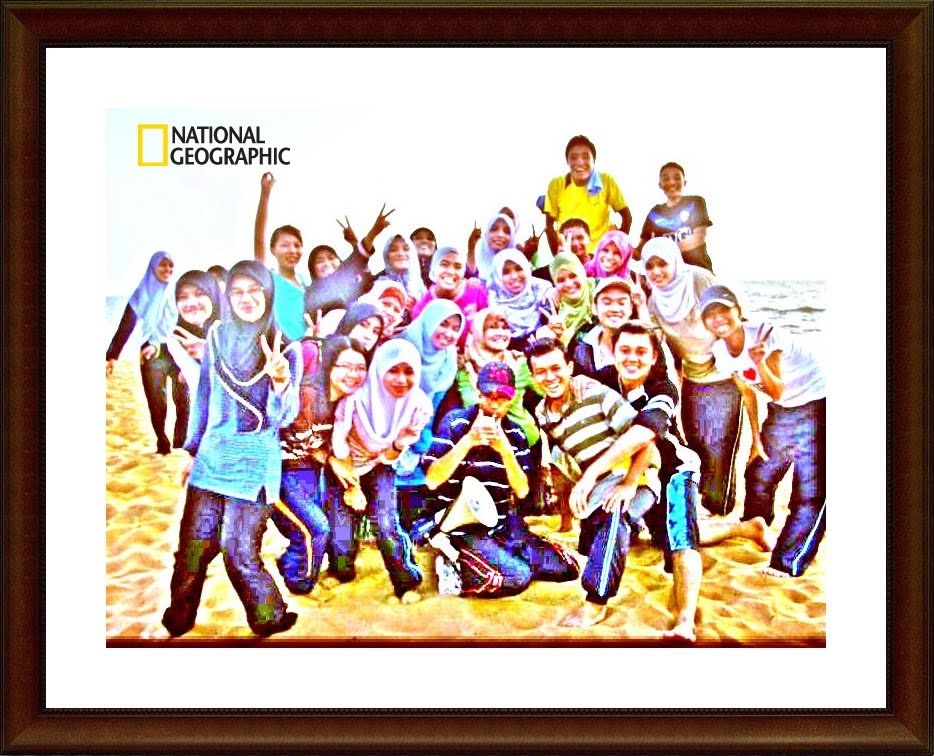
Alhamdulillah.....semester 5 sudah pun berlalu dengan penuh kisah kehidupan.., namun perjuangan tidak terhenti di sini...kerana perjuangan kami sebagai bakal kaunselor sebenarnya baru bermula. Di bawah subjek Pengurusan dan Konsultasi Sekolah yang telah dipegang oleh En Ab Aziz Yatim, pensyarah kaunseling Universiti Pendidikan Sultan Idris kami telah dilatih selama beberapa bulan untuk 'menyerang' sekolah-sekolah berhampiran UPSI bagi melaksanakan program-program motivasi.
Melalui subjek ini, kami telah diberi beberapa tugasan dan dihantar ke beberapa sekolah mengikut kumpulan untuk merasai sendiri cabaran-cabaran sebagai kaunselor dalam bidang pendidikan dan bagaimana cara mendekati pelajar mengikur kewajaran semasa. Aspek pertama ialah persediaan, di mana kami perlu bersedia dari segi emosi, fizikal, pengalaman, pengetahuan, kemahiran sebagai kaunselor dan lain-lain lagi. Dalam aspek persediaan ini, cabaran paling sukar bagi kami ialah pengurusan. kami perlu mencari sekolah dengan usaha kami sendiri, berbincang secara profesional dengan mereka yang lebih berpengatahuan dan menyediakan kumpulan kami sebagai konsultan sebenar dari segi pengurusan, pengendalian dan penyediaan. Memang agak sukar untuk mencari sekolah bagi kami melaksanakn program, masalah dari segi masa, penerimaan dan kos.
Program-program dibuat perlu dijalankan sebelum hari raya aidilfitri, oleh itu terdapat juga beberapa kumpulan yang terpaksa menjalankan program pada bulan puasa, termasuklah kumpulan saya. Sewaktu melaksanakan program ini banyak perkara yang perlu kami tempuhi contohnya pengangkutan ke tapak program. Ada yang hanya menaiki bas awam, kereta api, sewa kereta dan ada juga yang berjaya mendapatkan bantuan bas daripada universiti. Bagi kami, penginapan dan makanan bukanlah masalah besar. Cukup sekadar ada dan boleh didiami. Ada juga beberapa kumpulan yang hanya tidur di kelas atau pejabat sekolah tanpa tilam dan bantal, beratur bersama peserta untuk mandi dan menggunakan tandas. Sebelum program bermula, kami selalu berbincang secara tidak formal sesama rakan sekelas...cukup bagi kami, kami diterima untuk melaksanakan program, peserta mempunyai penginapan dan makanan, dan jika kami terpaksa menyediakan makanan sendiri pun kami sanggup waktu itu. Namun ada juga beberapa pihak yang meminta kami mencari sponsor makanan untuk sekolah...dan kami terpaksa menolak kerana itu diluar tanggunggjawab kami.
Kami telah diminta untuk melihat dan mencatat apa-apa yang berlaku sepanjang pegurusan program ini daripada saat pertama berhubung hinggalah kami memutuskan hubungan secara profesional dengan pihak konsultee. Permasalahan-permasalan itu akan dibincangkan bersama 103 orang lagi rakan-rakan yang lain bersama dengan En. Aziz. Seperti kata en Aziz, jika kumpulan kami ada 11 kumpulan ibarat kami menjalankan 11 program kerana setiap satu akan membentangkan laporan dan berkongsi apa yang telah berlaku sama ada daripada pihak sekolah, guru-guru, peserta dan mereka yang membantu secara tidak rasmi seperti mak cik dewan makan, pak guard, dan tukang kebun. En. Aziz menekankan yang setiap kumpulan perlu menyiapkan laporan, montaj dan beberapa bahan lain untuk diserahkan kepada pihak sekolah sebelum kami balik. Alhamdulillah semua kumpulan dapat menyiapkan laporan dan beberapa bahan lain sebaik sahaja program berakhir untuk diserahkan kepada pihak sekolah.
Kepuasan pelanggan juga merupakan salah satu perkara yang perlu dititikberatkan...kami diminta untuk membuat soal selidik tentang program yang dijalankan. Daripada laporan setiap kumpulan yang dibentangkan, hampir 90 % peserta dan konsultee berpuas hati dan menyatakan yang program tersebut berjaya dan menyeronokkan.
Berikut merupakan produk En. Ab Aziz Yatim


42 Practical Ways To Improve Yourself
Source: Celestine
(The writer of 'The Personal Excellence Blog' on how to achieve our highest potential and live our best life)

Are you someone who likes to grow? Do you constantly seek to improve yourself and become better?
If you do, then we have something in common. I’m very passionate about personal growth. It was just 4 years ago when I discovered my passion for growing and helping others grow. At that time, I was 22 and in my final year of university. As I thought about the meaning of life, I realized there was nothing more meaningful than to pursue a life of development and betterment. It is through improving ourselves that we get the most out of life.
After 1.5 years of actively pursuing growth and helping others to grow through my personal development blog, I realize there is never an end to the journey of self improvement. The more I grow, the more I realize there is so much out there I don’t know, so much that I have to learn. For sure, there is always something about ourselves we can improve on. The human potential is limitless, so it’s impossible to reach a point of no growth. Whenever we think we are good, we can be even better.
As a passionate advocate of growth, I’m continuously looking for ways to self-improve. I’ve compiled 42 of my best tips which might be helpful in your personal growth journey. Some of them are simple steps which you can engage in immediately. Some are bigger steps which takes conscious effort to act on. Here they are:
1. Read a book every day. Books are concentrated sources of wisdom. The more books you read, the more wisdom you expose yourself to. What are some books you can start reading to enrich yourself? Some books I’ve read and found useful are Think and Grow Rich, Who Moved My Cheese, 7 Habits, The Science of Getting Rich and Living the 80/20 Way. I’ve heard positive reviews for The Tipping Point, Outliers and The Difference Maker, so I’ll be checking them out soon.
2. Learn a new language. As a Singaporean Chinese, my main languages are English, Mandarin and Hokkien (a Chinese dialect). Out of interest, I took up language courses in the past few years such as Japanese and Bahasa Indonesian. I realized learning a language is a whole new skill altogether and the process of acquainting with a new language and culture is a totally a mind-opening experience.
3. Pick up a new hobby. Beyond just your usual favorite hobbies, is there something new you can pick up? Any new sport you can learn? Examples are fencing, golf, rock climbing, football, canoeing, or ice skating. Your new hobby can also be a recreational hobby. For example, pottery, Italian cooking, dancing, wine appreciation, web design, etc. Learning something new requires you to stretch yourself in different aspects, whether physically, mentally or emotionally.
4. Take up a new course. Is there any new course you can join? Courses are a great way to gain new knowledge and skills. It doesn’t have to be a long-term course – seminars or workshops serve their purpose too. I’ve been to a few workshops and they have helped me gain new insights which I had not considered before.
5. Create an inspirational room. Your environment sets the mood and tone for you. If you are living in an inspirational environment, you are going to be inspired every day. In the past, I didn’t like my room at all because I thought it was messy and dull. A few years ago, I decided this was the end of it – I started on a “Mega Room Revamp” project and overhauled my room. The end result? A room I totally relish being in and inspires me to be at my peak every day.
6. Overcome your fears. All of us have fears. Fear of uncertainty, fear of public speaking, fear of risk… All our fears keep us in the same position and prevent us from growing. Recognize that your fears reflect areas where you can grow. I always think of fears as the compass for growth. If I have a fear about something, it represents something I’ve yet to address, and addressing it helps me to grow.
7. Level up your skills. If you have played video games before especially RPGs, you’ll know the concept of leveling up – gaining experience so you can be better and stronger. As a blogger, I’m constantly leveling up my writing skills. As a speaker, I’m constantly leveling up my public engagement abilities. What skills can you level up?
8. Wake up early. Waking up early (say, 5-6am) has been acknowledged by many (Anthony Robbins, Robin Sharma, among other self-help gurus) to improve your productivity and your quality of life. I feel it’s because when you wake up early, your mindset is already set to continue the momentum and proactively live out the day. Seth recently wrote a waking up early series which you should check out to help cultivate this habit.
9. Have a weekly exercise routine. A better you starts with being in better physical shape. I personally make it a point to jog at least 3 times a week, at least 30 minutes each time. You may want to mix it up with jogging, gym lessons and swimming for variation.
10. Start your life handbook. A life handbook is an idea I started 3 years ago. Basically, it’s a book which contains the essentials on how you can live your life to the fullest, such as your purpose, your values and goals. Sort of like your manual for your life. I started my life handbook since 2007 and it’s been a crucial enabler in my progress.
11. Write a letter to your future self. What do you see yourself as 5 years from now? Will you be the same? Different? What kind of person will you be? Write a letter to your future self – 1 year from now will be a good start – and seal it. Make a date in your calendar to open it 1 year from now. Then start working to become the person you want to open that letter.
12. Get out of your comfort zone. Real growth comes with hard work and sweat. Being too comfortable doesn’t help us grow – it makes us stagnate. What is your comfort zone? Do you stay in most of the time? Do you keep to your own space when out with other people? Shake your routine up. Do something different. By exposing yourself to a new context, you’re literally growing as you learn to act in new circumstances.
13. Put someone up to a challenge. Competition is one of the best ways to grow. Set a challenge (weight loss, exercise, financial challenge, etc) and compete with an interested friend to see who achieves the target first. Through the process, both of you will gain more than if you were to set off on the target alone.
14. Identify your blind spots. Scientifically, blind spots refer to areas our eyes are not capable of seeing. In personal development terms, blind spots are things about ourselves we are unaware of. Discovering our blind spots help us discover our areas of improvement. One exercise I use to discover my blind spots is to identify all the things/events/people that trigger me in a day – trigger meaning making me feel annoyed/weird/affected. These represent my blind spots. It’s always fun to do the exercise because I discover new things about myself, even if I may already think I know my own blind spots (but then they wouldn’t be blind spots would they?). After that, I work on steps to address them.
15. Ask for feedback. As much as we try to improve, we will always have blind spots. Asking for feedback gives us an additional perspective. Some people to approach will be friends, family, colleagues, boss, or even acquaintances, since they will have no preset bias and can give their feedback objectively.
16. Stay focused with to-do lists. I start my day with a list of tasks I want to complete and this helps make me stay focused. In comparison, the days when I don’t do this end up being extremely unproductive. For example, part of my to-do list for today is to write a guest post at LifeHack.Org, and this is why I’m writing this now! Since my work requires me to use my computer all the time, I use Free Sticky Notes to manage my to-do lists. It’s really simple to use and it’s a freeware, so I recommend you check it out.
17. Set Big Hairy Audacious Goals (BHAGs). I’m a big fan of setting BHAGs. BHAGs stretch you beyond your normal capacity since they are big and audacious – you wouldn’t think of attempting them normally. What are BHAGs you can embark on, which you’ll feel absolutely on top of the world once you complete them? Set them and start working on them.
18. Acknowledge your flaws. Everyone has flaws. What’s most important is to understand them, acknowledge them, and address them. What do you think are your flaws? What are the flaws you can work on now? How do you want to address them?
19. Get into action. The best way to learn and improve is to take action. What is something you have been meaning to do? How can you take action on it immediately? Waiting doesn’t get anything done. Taking action gives you immediate results to learn from.
20. Learn from people who inspire you. Think about people you admire. People who inspire you. These people reflect certain qualities you want to have for yourself too. What are the qualities in them you want to have for yourself? How can you acquire these qualities?
21. Quit a bad habit. Are there any bad habits you can lose? Oversleeping? Not exercising? Being late? Slouching? Nail biting? Smoking? Here’s some help on how you can quit a bad habit.
22. Cultivate a new habit. Some good new habits to cultivate include reading books (#1), waking up early (#8), exercising (#9), reading a new personal development article a day (#40) and meditating. Is there any other new habit you can cultivate to improve yourself?
23. Avoid negative people. As Jim Rohn says, “You are the average of the 5 people you spend the most time with”. Wherever we go, there are bound to be negative people. Don’t spend too much of your time around them if you feel they drag you down.
24. Learn to deal with difficult people. There are times when there are difficult people you can’t avoid, such as at your workplace, or when the person is part of your inner circle of contacts. Learn how to deal with them. These people management skills will go a long way in working with people in the future.
25. Learn from your friends. Everyone has amazing qualities in them. It’s up to how we want to tap into them. With all the friends who surround you, they are going to have things you can learn from. Try thinking of a good friend right now. Think about just one quality they have which you want to adopt. How can you learn from them and adopt this skill for yourself? Speak to them if you need to – for sure, they will be more than happy to help!
26. Start a journal. Journaling is a great way to gain better self-awareness. It’s a self-reflection process. As you write, clarify your thought process and read what you wrote from a third person’s perspective, you gain more insights about yourself. Your journal can be private or an online blog. I use my personal development blog as a personal journal too and I’ve learned a lot about myself through the past year of blogging.
27. Start a blog about personal development. To help others grow, you need to first be walking the talk. There are expectations of you, both from yourself and from others, which you have to uphold. I run The Personal Excellence Blog, where I share my personal journey and insights on how to live a better life. Readers look toward my articles to improve themselves, which enforces to me that I need to keep improving, for myself and for the people I’m reaching out to.
28. Get a mentor or coach. There’s no faster way to improve than to have someone work with you on your goals. Many of my clients approach me to coach them in their goals and they achieve significantly more results than if they had worked alone.
29. Reduce the time you spend on chat programs. I realized having chat programs open at default result in a lot of wasted time. This time can be much better spent on other activities. The days when I don’t get on chat, I get a lot more done. I usually disable the auto start-up option in the chat programs and launch them when I do want to chat and really have the time for it.
30. Learn chess (or any strategy game). I found chess is a terrific game to learn strategy and hone your brainpower. Not only do you have fun, you also get to exercise your analytical skills. You can also learn strategy from other board games or computer games, such as Othello, Chinese Chess, WarCraft, and so on.
31. Stop watching TV. I’ve not been watching TV for pretty much 4 years and it’s been a very liberating experience. I realized most of the programs and advertisements on mainstream TV are usually of a lower consciousness and not very empowering. In return, the time I’ve freed up from not watching TV is now constructively used for other purposes, such as connecting with close friends, doing work I enjoy, exercising, etc.
32. Start a 30-day challenge. Set a goal and give yourself 30 days to achieve this. Your goal can be to stick with a new habit or something you’ve always wanted to do but have not. 30 days is just enough time to strategize, plan, get into action, review and nail the goal.
33. Meditate. Meditation helps to calm you and be more conscious. I also realized that during the nights when I meditate (before I sleep), I need lesser sleep. The clutter clearing process is very liberating.
34. Join Toastmasters (Learn public speaking). Interestingly, public speaking is the #1 fear in the world, with #2 being death. After I started public speaking as a personal development speaker/trainer, I’ve learned a lot about how to communicate better, present myself and engage people. Toastmasters is an international organization that trains people in public speaking. Check out the Toastmaster clubs nearest to you here.
35. Befriend top people in their fields. These people have achieved their results because they have the right attitudes, skill sets and know-how. How better to learn than from the people who have been there and done that? Gain new insights from them on how you can improve and achieve the same results for yourself.
36. Let go of the past. Is there any grievance or unhappiness from the past which you have been holding on? If so, it’s time to let it go. Holding on to them prevents you from moving on and becoming a better person. Break away from the past, forgive yourself, and move on. Just recently, I finally moved on from a past heartbreak of 5 years ago. The effect was liberating and very empowering, and I have never been happier.
37. Start a business venture. Is there anything you have an interest in? Why not turn it into a venture and make money while learning at the same time? Starting a new venture requires you to be learn business management skills, develop business acumen and have a competitive edge. The process of starting and developing my personal development business has equipped me with many skills, such as self-discipline, leadership, organization and management.
38. Show kindness to people around you. You can never be too kind to someone. In fact, most of us don’t show enough kindness to people around us. Being kind helps us to cultivate other qualities such as compassion, patience, and love. As you get back to your day after reading this article later on, start exuding more kindness to the people around you, and see how they react. Not only that, notice how you feel as you behave kindly to others. Chances are, you will feel even better than yourself.
39. Reach out to the people who hate you. If you ever stand for something, you are going to get haters. It’s easy to hate the people who hate us. It’s much more challenging to love them back. Being able to forgive, let go and show love to these people requires magnanimity and an open heart. Is there anyone who dislikes or hates you in your life? If so, reach out to them. Show them love. Seek a resolution and get closure on past grievances. Even if they refuses to reciprocate, love them all the same. It’s much more liberating than to hate them back.
40. Take a break. Have you been working too hard? Self-improvement is also about recognizing our need to take a break to walk the longer mile ahead. You can’t be driving a car if it has no petrol. Take some time off for yourself every week. Relax, rejuvenate and charge yourself up for what’s up ahead.
41. Read at least 1 personal development article a day. Some of my readers make it a point to read at least one personal development article every day, which I think is a great habit. There are many terrific personal development blogs out there, some of which you can check here.
42. Commit to your personal growth. I can be writing list articles with 10 ways, 25 ways, 42 ways or even 1,000 ways to improve yourself, but if you’ve no intention to commit to your personal growth, it doesn’t matter what I write. Nothing is going to get through. We are responsible for our personal growth – not anyone else. Not your mom, your dad, your friend, me or LifeHack. Make the decision to commit to your personal growth and embrace yourself to a life-long journey of growth and change. Kick off your growth by picking a few of the steps above and working on them. The results may not be immediate, but I promise you that as long as you keep to it, you’ll start seeing positive changes in yourself and your life.
(The writer of 'The Personal Excellence Blog' on how to achieve our highest potential and live our best life)

Are you someone who likes to grow? Do you constantly seek to improve yourself and become better?
If you do, then we have something in common. I’m very passionate about personal growth. It was just 4 years ago when I discovered my passion for growing and helping others grow. At that time, I was 22 and in my final year of university. As I thought about the meaning of life, I realized there was nothing more meaningful than to pursue a life of development and betterment. It is through improving ourselves that we get the most out of life.
After 1.5 years of actively pursuing growth and helping others to grow through my personal development blog, I realize there is never an end to the journey of self improvement. The more I grow, the more I realize there is so much out there I don’t know, so much that I have to learn. For sure, there is always something about ourselves we can improve on. The human potential is limitless, so it’s impossible to reach a point of no growth. Whenever we think we are good, we can be even better.
As a passionate advocate of growth, I’m continuously looking for ways to self-improve. I’ve compiled 42 of my best tips which might be helpful in your personal growth journey. Some of them are simple steps which you can engage in immediately. Some are bigger steps which takes conscious effort to act on. Here they are:
1. Read a book every day. Books are concentrated sources of wisdom. The more books you read, the more wisdom you expose yourself to. What are some books you can start reading to enrich yourself? Some books I’ve read and found useful are Think and Grow Rich, Who Moved My Cheese, 7 Habits, The Science of Getting Rich and Living the 80/20 Way. I’ve heard positive reviews for The Tipping Point, Outliers and The Difference Maker, so I’ll be checking them out soon.
2. Learn a new language. As a Singaporean Chinese, my main languages are English, Mandarin and Hokkien (a Chinese dialect). Out of interest, I took up language courses in the past few years such as Japanese and Bahasa Indonesian. I realized learning a language is a whole new skill altogether and the process of acquainting with a new language and culture is a totally a mind-opening experience.
3. Pick up a new hobby. Beyond just your usual favorite hobbies, is there something new you can pick up? Any new sport you can learn? Examples are fencing, golf, rock climbing, football, canoeing, or ice skating. Your new hobby can also be a recreational hobby. For example, pottery, Italian cooking, dancing, wine appreciation, web design, etc. Learning something new requires you to stretch yourself in different aspects, whether physically, mentally or emotionally.
4. Take up a new course. Is there any new course you can join? Courses are a great way to gain new knowledge and skills. It doesn’t have to be a long-term course – seminars or workshops serve their purpose too. I’ve been to a few workshops and they have helped me gain new insights which I had not considered before.
5. Create an inspirational room. Your environment sets the mood and tone for you. If you are living in an inspirational environment, you are going to be inspired every day. In the past, I didn’t like my room at all because I thought it was messy and dull. A few years ago, I decided this was the end of it – I started on a “Mega Room Revamp” project and overhauled my room. The end result? A room I totally relish being in and inspires me to be at my peak every day.
6. Overcome your fears. All of us have fears. Fear of uncertainty, fear of public speaking, fear of risk… All our fears keep us in the same position and prevent us from growing. Recognize that your fears reflect areas where you can grow. I always think of fears as the compass for growth. If I have a fear about something, it represents something I’ve yet to address, and addressing it helps me to grow.
7. Level up your skills. If you have played video games before especially RPGs, you’ll know the concept of leveling up – gaining experience so you can be better and stronger. As a blogger, I’m constantly leveling up my writing skills. As a speaker, I’m constantly leveling up my public engagement abilities. What skills can you level up?
8. Wake up early. Waking up early (say, 5-6am) has been acknowledged by many (Anthony Robbins, Robin Sharma, among other self-help gurus) to improve your productivity and your quality of life. I feel it’s because when you wake up early, your mindset is already set to continue the momentum and proactively live out the day. Seth recently wrote a waking up early series which you should check out to help cultivate this habit.
9. Have a weekly exercise routine. A better you starts with being in better physical shape. I personally make it a point to jog at least 3 times a week, at least 30 minutes each time. You may want to mix it up with jogging, gym lessons and swimming for variation.
10. Start your life handbook. A life handbook is an idea I started 3 years ago. Basically, it’s a book which contains the essentials on how you can live your life to the fullest, such as your purpose, your values and goals. Sort of like your manual for your life. I started my life handbook since 2007 and it’s been a crucial enabler in my progress.
11. Write a letter to your future self. What do you see yourself as 5 years from now? Will you be the same? Different? What kind of person will you be? Write a letter to your future self – 1 year from now will be a good start – and seal it. Make a date in your calendar to open it 1 year from now. Then start working to become the person you want to open that letter.
12. Get out of your comfort zone. Real growth comes with hard work and sweat. Being too comfortable doesn’t help us grow – it makes us stagnate. What is your comfort zone? Do you stay in most of the time? Do you keep to your own space when out with other people? Shake your routine up. Do something different. By exposing yourself to a new context, you’re literally growing as you learn to act in new circumstances.
13. Put someone up to a challenge. Competition is one of the best ways to grow. Set a challenge (weight loss, exercise, financial challenge, etc) and compete with an interested friend to see who achieves the target first. Through the process, both of you will gain more than if you were to set off on the target alone.
14. Identify your blind spots. Scientifically, blind spots refer to areas our eyes are not capable of seeing. In personal development terms, blind spots are things about ourselves we are unaware of. Discovering our blind spots help us discover our areas of improvement. One exercise I use to discover my blind spots is to identify all the things/events/people that trigger me in a day – trigger meaning making me feel annoyed/weird/affected. These represent my blind spots. It’s always fun to do the exercise because I discover new things about myself, even if I may already think I know my own blind spots (but then they wouldn’t be blind spots would they?). After that, I work on steps to address them.
15. Ask for feedback. As much as we try to improve, we will always have blind spots. Asking for feedback gives us an additional perspective. Some people to approach will be friends, family, colleagues, boss, or even acquaintances, since they will have no preset bias and can give their feedback objectively.
16. Stay focused with to-do lists. I start my day with a list of tasks I want to complete and this helps make me stay focused. In comparison, the days when I don’t do this end up being extremely unproductive. For example, part of my to-do list for today is to write a guest post at LifeHack.Org, and this is why I’m writing this now! Since my work requires me to use my computer all the time, I use Free Sticky Notes to manage my to-do lists. It’s really simple to use and it’s a freeware, so I recommend you check it out.
17. Set Big Hairy Audacious Goals (BHAGs). I’m a big fan of setting BHAGs. BHAGs stretch you beyond your normal capacity since they are big and audacious – you wouldn’t think of attempting them normally. What are BHAGs you can embark on, which you’ll feel absolutely on top of the world once you complete them? Set them and start working on them.
18. Acknowledge your flaws. Everyone has flaws. What’s most important is to understand them, acknowledge them, and address them. What do you think are your flaws? What are the flaws you can work on now? How do you want to address them?
19. Get into action. The best way to learn and improve is to take action. What is something you have been meaning to do? How can you take action on it immediately? Waiting doesn’t get anything done. Taking action gives you immediate results to learn from.
20. Learn from people who inspire you. Think about people you admire. People who inspire you. These people reflect certain qualities you want to have for yourself too. What are the qualities in them you want to have for yourself? How can you acquire these qualities?
21. Quit a bad habit. Are there any bad habits you can lose? Oversleeping? Not exercising? Being late? Slouching? Nail biting? Smoking? Here’s some help on how you can quit a bad habit.
22. Cultivate a new habit. Some good new habits to cultivate include reading books (#1), waking up early (#8), exercising (#9), reading a new personal development article a day (#40) and meditating. Is there any other new habit you can cultivate to improve yourself?
23. Avoid negative people. As Jim Rohn says, “You are the average of the 5 people you spend the most time with”. Wherever we go, there are bound to be negative people. Don’t spend too much of your time around them if you feel they drag you down.
24. Learn to deal with difficult people. There are times when there are difficult people you can’t avoid, such as at your workplace, or when the person is part of your inner circle of contacts. Learn how to deal with them. These people management skills will go a long way in working with people in the future.
25. Learn from your friends. Everyone has amazing qualities in them. It’s up to how we want to tap into them. With all the friends who surround you, they are going to have things you can learn from. Try thinking of a good friend right now. Think about just one quality they have which you want to adopt. How can you learn from them and adopt this skill for yourself? Speak to them if you need to – for sure, they will be more than happy to help!
26. Start a journal. Journaling is a great way to gain better self-awareness. It’s a self-reflection process. As you write, clarify your thought process and read what you wrote from a third person’s perspective, you gain more insights about yourself. Your journal can be private or an online blog. I use my personal development blog as a personal journal too and I’ve learned a lot about myself through the past year of blogging.
27. Start a blog about personal development. To help others grow, you need to first be walking the talk. There are expectations of you, both from yourself and from others, which you have to uphold. I run The Personal Excellence Blog, where I share my personal journey and insights on how to live a better life. Readers look toward my articles to improve themselves, which enforces to me that I need to keep improving, for myself and for the people I’m reaching out to.
28. Get a mentor or coach. There’s no faster way to improve than to have someone work with you on your goals. Many of my clients approach me to coach them in their goals and they achieve significantly more results than if they had worked alone.
29. Reduce the time you spend on chat programs. I realized having chat programs open at default result in a lot of wasted time. This time can be much better spent on other activities. The days when I don’t get on chat, I get a lot more done. I usually disable the auto start-up option in the chat programs and launch them when I do want to chat and really have the time for it.
30. Learn chess (or any strategy game). I found chess is a terrific game to learn strategy and hone your brainpower. Not only do you have fun, you also get to exercise your analytical skills. You can also learn strategy from other board games or computer games, such as Othello, Chinese Chess, WarCraft, and so on.
31. Stop watching TV. I’ve not been watching TV for pretty much 4 years and it’s been a very liberating experience. I realized most of the programs and advertisements on mainstream TV are usually of a lower consciousness and not very empowering. In return, the time I’ve freed up from not watching TV is now constructively used for other purposes, such as connecting with close friends, doing work I enjoy, exercising, etc.
32. Start a 30-day challenge. Set a goal and give yourself 30 days to achieve this. Your goal can be to stick with a new habit or something you’ve always wanted to do but have not. 30 days is just enough time to strategize, plan, get into action, review and nail the goal.
33. Meditate. Meditation helps to calm you and be more conscious. I also realized that during the nights when I meditate (before I sleep), I need lesser sleep. The clutter clearing process is very liberating.
34. Join Toastmasters (Learn public speaking). Interestingly, public speaking is the #1 fear in the world, with #2 being death. After I started public speaking as a personal development speaker/trainer, I’ve learned a lot about how to communicate better, present myself and engage people. Toastmasters is an international organization that trains people in public speaking. Check out the Toastmaster clubs nearest to you here.
35. Befriend top people in their fields. These people have achieved their results because they have the right attitudes, skill sets and know-how. How better to learn than from the people who have been there and done that? Gain new insights from them on how you can improve and achieve the same results for yourself.
36. Let go of the past. Is there any grievance or unhappiness from the past which you have been holding on? If so, it’s time to let it go. Holding on to them prevents you from moving on and becoming a better person. Break away from the past, forgive yourself, and move on. Just recently, I finally moved on from a past heartbreak of 5 years ago. The effect was liberating and very empowering, and I have never been happier.
37. Start a business venture. Is there anything you have an interest in? Why not turn it into a venture and make money while learning at the same time? Starting a new venture requires you to be learn business management skills, develop business acumen and have a competitive edge. The process of starting and developing my personal development business has equipped me with many skills, such as self-discipline, leadership, organization and management.
38. Show kindness to people around you. You can never be too kind to someone. In fact, most of us don’t show enough kindness to people around us. Being kind helps us to cultivate other qualities such as compassion, patience, and love. As you get back to your day after reading this article later on, start exuding more kindness to the people around you, and see how they react. Not only that, notice how you feel as you behave kindly to others. Chances are, you will feel even better than yourself.
39. Reach out to the people who hate you. If you ever stand for something, you are going to get haters. It’s easy to hate the people who hate us. It’s much more challenging to love them back. Being able to forgive, let go and show love to these people requires magnanimity and an open heart. Is there anyone who dislikes or hates you in your life? If so, reach out to them. Show them love. Seek a resolution and get closure on past grievances. Even if they refuses to reciprocate, love them all the same. It’s much more liberating than to hate them back.
40. Take a break. Have you been working too hard? Self-improvement is also about recognizing our need to take a break to walk the longer mile ahead. You can’t be driving a car if it has no petrol. Take some time off for yourself every week. Relax, rejuvenate and charge yourself up for what’s up ahead.
41. Read at least 1 personal development article a day. Some of my readers make it a point to read at least one personal development article every day, which I think is a great habit. There are many terrific personal development blogs out there, some of which you can check here.
42. Commit to your personal growth. I can be writing list articles with 10 ways, 25 ways, 42 ways or even 1,000 ways to improve yourself, but if you’ve no intention to commit to your personal growth, it doesn’t matter what I write. Nothing is going to get through. We are responsible for our personal growth – not anyone else. Not your mom, your dad, your friend, me or LifeHack. Make the decision to commit to your personal growth and embrace yourself to a life-long journey of growth and change. Kick off your growth by picking a few of the steps above and working on them. The results may not be immediate, but I promise you that as long as you keep to it, you’ll start seeing positive changes in yourself and your life.
Loneliness
From: Dr.Mercola
(Dr. Mercola has made significant milestones in his mission to bring people practical solutions to their health problems. A New York Times Best Selling Author, Dr. Mercola was also voted the 2009 Ultimate Wellness Game Changer by the Huffington Post, and has been featured in TIME magazine, LA Times, CNN, Fox News, ABC News, Today Show, CBS’s Washington Unplugged with Sharyl Attkisson, and other major media resources.)

Feelings of loneliness are incredibly common, and, ironically, even as the physical distance between people has shrunk, emotional “isolation” is on the rise.
Up to one-quarter of Americans say they are frequently lonely, and this number is expected to rise in coming years. Loneliness expert John Cacioppo, a social neuroscientist at the University of Chicago, credits the rising rates of loneliness to two major factors: longer lifespans leading to more years in widowhood and a rise in single-person households.
Of course, it’s possible to feel lonely even when you’re surrounded by people, and although many do, few will readily admit it. Our society has developed as one that values self-reliance and independence, so much so that a person may feel ashamed of their need for companionship.
This need, however, is quite natural and if not fulfilled over time can lead to a host of mental and physical problems. While most everyone feels lonely from time to time, staying lonely can take a major toll on your physical health.
How Loneliness Harms Your Health
Negative emotions will invariably impact your physical well-being, and loneliness is no different. The latest research reveals that feeling lonely raises your blood pressure up to 14 points, with greater increases coming the more years the lonely feelings persist.
This is far from the only study linking loneliness to health repercussions. A separate study found the risk of developing dementia increased about 51 percent for each one-point increase on a loneliness scale.
What’s interesting, though, is that brain deposits that normally develop in Alzheimer’s patients were not seen among those who were lonely, indicating that the emotion triggers dementia through a different mechanism such as higher levels of stress hormones, cancer or high blood pressure (all of which are more likely to occur in lonely people).
Other studies have also shown that being socially isolated can cause health problems including weakening your immune system and resulting in sleep dysfunctions.
Further, in what Cacioppo described as "slowly unfolding pathophysiological processes," his research demonstrated that people who are lonely are more likely to:
* Be depressed
* Suffer from alcoholism
* Report higher levels of perceived stress
* Have fewer positive social interactions
More Evidence of Your Mind-Body Connection
It truly is amazing how much your mindset can influence your physical health, but study after study continues to bear this out. Your mind-body connection is a powerful force that can either bolster or destroy your health.
One reason for this has to do with epigenetics, which centers on the notion that environmental factors such as stress and your diet influence the expression of your genes.
It is the expression of your genes -- NOT the genes themselves -- that dictates whether you develop certain diseases or age prematurely.
You see, as you age your genome does not change but your epigenome changes dramatically, especially during critical periods of life, such as adolescence. It is influenced by physical and emotional stresses -- how you respond to everything that happens in your environment, from climate change to final exams to childhood abuse.
So if you are chronically lonely, this negative emotion will influence the expression of your genes, and thus directly impact your tendency to develop disease.
This also explains why, as Dawson Church cites in his book The Genie in Your Genes: Epigenetic Medicine and the New Biology of Intention, heart surgery patients who have a strong social support network and spiritual practice have a mortality rate 1/7th of those who do not!
Outstanding Solution -- Companion Pets
A dog or cat can provide unconditional love and comfort, and studies show that owning a pet can help protect against loneliness, depression and anxiety. In fact, dogs are often brought to nursing homes, hospice settings and hospitals for this very reason.
The bond that forms between a person and a companion pet can be incredibly fulfilling, and serves, in many ways, as an important and rewarding relationship. As the American Veterinary Medical Association states:
“The human-animal bond is a mutually beneficial and dynamic relationship between people and animals that is influenced by behaviors that are essential to the health and well-being of both. This includes, but is not limited to, emotional, psychological, and physical interactions of people, animals, and the environment.”
The research on this is really quite profound. For instance, having a dog as a companion could add years to your life, as studies have shown that owning a dog played a significant role on survival rates in heart attack victims.
Studies have also revealed that people on Medicaid or Medicare who own a pet make fewer visits to the doctor. The unconditional acceptance and love a dog gives to their owner positively impacts their owner's emotional health in ways such as:
* Boosting self-confidence and self-esteem
* Promoting communication between elderly residents and neighbors
* Helping people cope with illness, loss and depression.
* Reducing stress levels
* Helping to meet new friends
* Providing a source of touch and affiliation
Along with companionship, dogs and cats satisfy our human need for close physical contact and touching. This actually works on a hormonal level, as well as an emotional one.
Research from the University of Missouri-Columbia suggests the hormonal changes that occur when humans and dogs interact could help people cope with depression and certain stress-related disorders. An example of this is spending a few minutes petting your dog -- this simple act prompts the release of a number of "feel good" hormones in humans, including serotonin, prolactin and oxytocin.
If you’re looking to add a new furry member to your family, check out your local animal shelter. Most are filled with cats and dogs looking for someone to love. Petfinder.com is also an excellent resource for finding a pet companion … it allows you to search through nearly 300,000 adoptable pets from over 13,000 adoption groups so you can find just the right match for you.
Other Tips for Overcoming Loneliness
As I said earlier, it is completely natural to crave companionship. You are a social creature that thrives on social support and meaningful personal relationships.
That said, the road to overcoming loneliness is two-fold:
* Creating more fulfilling social ties
* Learning to enjoy your alone time
For the latter, I suggest putting some attention on your emotional energy. It is likely that you need to let go of some of your limiting beliefs, stress, and also your past emotional "baggage," all of which may be keeping you in a lonely emotional state.
I believe that Meridian Tapping Technique/Emotional Freedom Technique (MTT/EFT) can be highly effective for this purpose, and can be a key player in your journey to finding your own inner happiness.
Now, once you are feeling secure with yourself, it’s time to devote some attention to creating new relationships. This doesn’t have to be as daunting as it may sound, no matter what stage of life you are in. I recommend:
* Exploring new hobbies and interests that ignite your natural curiosity and passions. Deep friendships naturally form among people with similar interests.
* Volunteering or joining a club or organization in your area. Book clubs, adult sports leagues, holistic moms groups, even food coops can all lead to new relationships.
* Making an effort to re-establish old relationships and cultivate new ones. This could be with family you’ve lost touch with, friends from college, or a new neighbor across the street. The Internet is also an increasingly popular way to meet new people!
(Dr. Mercola has made significant milestones in his mission to bring people practical solutions to their health problems. A New York Times Best Selling Author, Dr. Mercola was also voted the 2009 Ultimate Wellness Game Changer by the Huffington Post, and has been featured in TIME magazine, LA Times, CNN, Fox News, ABC News, Today Show, CBS’s Washington Unplugged with Sharyl Attkisson, and other major media resources.)

Feelings of loneliness are incredibly common, and, ironically, even as the physical distance between people has shrunk, emotional “isolation” is on the rise.
Up to one-quarter of Americans say they are frequently lonely, and this number is expected to rise in coming years. Loneliness expert John Cacioppo, a social neuroscientist at the University of Chicago, credits the rising rates of loneliness to two major factors: longer lifespans leading to more years in widowhood and a rise in single-person households.
Of course, it’s possible to feel lonely even when you’re surrounded by people, and although many do, few will readily admit it. Our society has developed as one that values self-reliance and independence, so much so that a person may feel ashamed of their need for companionship.
This need, however, is quite natural and if not fulfilled over time can lead to a host of mental and physical problems. While most everyone feels lonely from time to time, staying lonely can take a major toll on your physical health.
How Loneliness Harms Your Health
Negative emotions will invariably impact your physical well-being, and loneliness is no different. The latest research reveals that feeling lonely raises your blood pressure up to 14 points, with greater increases coming the more years the lonely feelings persist.
This is far from the only study linking loneliness to health repercussions. A separate study found the risk of developing dementia increased about 51 percent for each one-point increase on a loneliness scale.
What’s interesting, though, is that brain deposits that normally develop in Alzheimer’s patients were not seen among those who were lonely, indicating that the emotion triggers dementia through a different mechanism such as higher levels of stress hormones, cancer or high blood pressure (all of which are more likely to occur in lonely people).
Other studies have also shown that being socially isolated can cause health problems including weakening your immune system and resulting in sleep dysfunctions.
Further, in what Cacioppo described as "slowly unfolding pathophysiological processes," his research demonstrated that people who are lonely are more likely to:
* Be depressed
* Suffer from alcoholism
* Report higher levels of perceived stress
* Have fewer positive social interactions
More Evidence of Your Mind-Body Connection
It truly is amazing how much your mindset can influence your physical health, but study after study continues to bear this out. Your mind-body connection is a powerful force that can either bolster or destroy your health.
One reason for this has to do with epigenetics, which centers on the notion that environmental factors such as stress and your diet influence the expression of your genes.
It is the expression of your genes -- NOT the genes themselves -- that dictates whether you develop certain diseases or age prematurely.
You see, as you age your genome does not change but your epigenome changes dramatically, especially during critical periods of life, such as adolescence. It is influenced by physical and emotional stresses -- how you respond to everything that happens in your environment, from climate change to final exams to childhood abuse.
So if you are chronically lonely, this negative emotion will influence the expression of your genes, and thus directly impact your tendency to develop disease.
This also explains why, as Dawson Church cites in his book The Genie in Your Genes: Epigenetic Medicine and the New Biology of Intention, heart surgery patients who have a strong social support network and spiritual practice have a mortality rate 1/7th of those who do not!
Outstanding Solution -- Companion Pets
A dog or cat can provide unconditional love and comfort, and studies show that owning a pet can help protect against loneliness, depression and anxiety. In fact, dogs are often brought to nursing homes, hospice settings and hospitals for this very reason.
The bond that forms between a person and a companion pet can be incredibly fulfilling, and serves, in many ways, as an important and rewarding relationship. As the American Veterinary Medical Association states:
“The human-animal bond is a mutually beneficial and dynamic relationship between people and animals that is influenced by behaviors that are essential to the health and well-being of both. This includes, but is not limited to, emotional, psychological, and physical interactions of people, animals, and the environment.”
The research on this is really quite profound. For instance, having a dog as a companion could add years to your life, as studies have shown that owning a dog played a significant role on survival rates in heart attack victims.
Studies have also revealed that people on Medicaid or Medicare who own a pet make fewer visits to the doctor. The unconditional acceptance and love a dog gives to their owner positively impacts their owner's emotional health in ways such as:
* Boosting self-confidence and self-esteem
* Promoting communication between elderly residents and neighbors
* Helping people cope with illness, loss and depression.
* Reducing stress levels
* Helping to meet new friends
* Providing a source of touch and affiliation
Along with companionship, dogs and cats satisfy our human need for close physical contact and touching. This actually works on a hormonal level, as well as an emotional one.
Research from the University of Missouri-Columbia suggests the hormonal changes that occur when humans and dogs interact could help people cope with depression and certain stress-related disorders. An example of this is spending a few minutes petting your dog -- this simple act prompts the release of a number of "feel good" hormones in humans, including serotonin, prolactin and oxytocin.
If you’re looking to add a new furry member to your family, check out your local animal shelter. Most are filled with cats and dogs looking for someone to love. Petfinder.com is also an excellent resource for finding a pet companion … it allows you to search through nearly 300,000 adoptable pets from over 13,000 adoption groups so you can find just the right match for you.
Other Tips for Overcoming Loneliness
As I said earlier, it is completely natural to crave companionship. You are a social creature that thrives on social support and meaningful personal relationships.
That said, the road to overcoming loneliness is two-fold:
* Creating more fulfilling social ties
* Learning to enjoy your alone time
For the latter, I suggest putting some attention on your emotional energy. It is likely that you need to let go of some of your limiting beliefs, stress, and also your past emotional "baggage," all of which may be keeping you in a lonely emotional state.
I believe that Meridian Tapping Technique/Emotional Freedom Technique (MTT/EFT) can be highly effective for this purpose, and can be a key player in your journey to finding your own inner happiness.
Now, once you are feeling secure with yourself, it’s time to devote some attention to creating new relationships. This doesn’t have to be as daunting as it may sound, no matter what stage of life you are in. I recommend:
* Exploring new hobbies and interests that ignite your natural curiosity and passions. Deep friendships naturally form among people with similar interests.
* Volunteering or joining a club or organization in your area. Book clubs, adult sports leagues, holistic moms groups, even food coops can all lead to new relationships.
* Making an effort to re-establish old relationships and cultivate new ones. This could be with family you’ve lost touch with, friends from college, or a new neighbor across the street. The Internet is also an increasingly popular way to meet new people!
Langgan:
Catatan (Atom)